


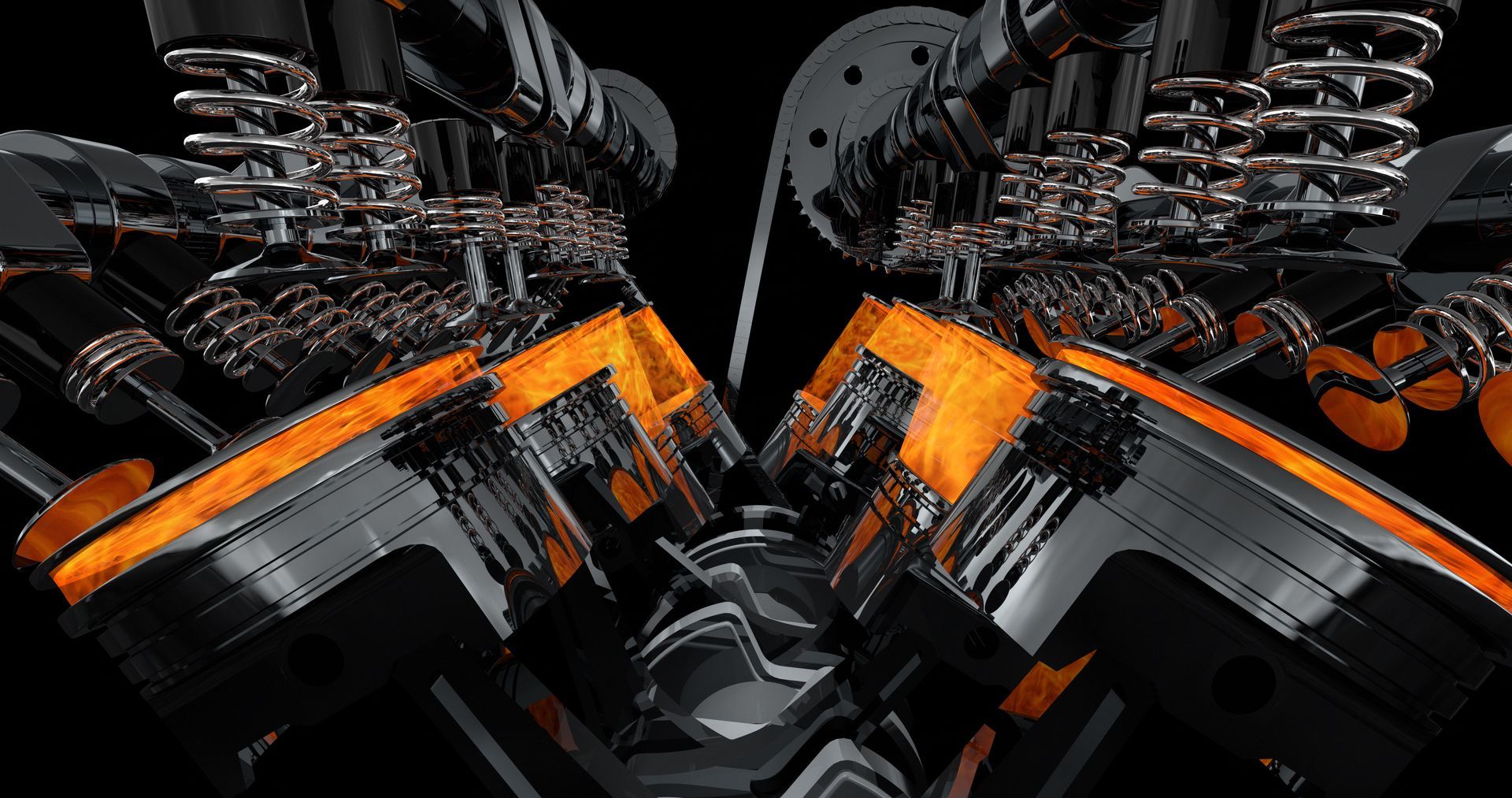
Accurate Automotive in Northglenn, CO, explains why turbocharged engines are especially sensitive to oil maintenance.
Subaru cars are a popular choice for Colorado residents. The state’s scenic landscapes and diverse terrains make it an excellent place to own a Subaru vehicle. In this blog post, we’ll explore why Subaru and Colorado make a perfect combination. All-Wheel Drive Subaru cars are known for their all-wheel drive (AWD) system, which provides excellent traction and stability on various terrains, including snowy and icy roads. Colorado’s mountainous terrain and frequent snowstorms make AWD a must-have feature for many car owners in the state. Fuel Efficiency Subaru cars are designed to be fuel-efficient, which is essential for Colorado’s long stretches of highway and scenic routes. Subaru’s latest models come equipped with advanced technology to improve fuel efficiency and reduce emissions, making them an environmentally friendly choice for Colorado residents. Outdoor Adventure Colorado is known for its outdoor activities, such as skiing, hiking, and camping. Subaru vehicles offer ample cargo space and roof racks for carrying outdoor gear, making them ideal for outdoor enthusiasts. Whether you’re planning a weekend camping trip or a day of skiing, Subaru vehicles can handle it all. Safety Subaru cars are designed with safety in mind, which is essential for Colorado’s harsh weather conditions and mountainous terrain. Subaru’s EyeSight driver-assist technology provides features such as adaptive cruise control, pre-collision braking, and lane departure warning to help drivers stay safe on the road. Community Subaru owners in Colorado are part of a close-knit community of outdoor enthusiasts who share a passion for adventure and exploration. Subaru has a reputation for being a brand that values community and social responsibility, which is why Subaru owners often feel connected to each other and to the brand. In conclusion, Subaru cars and Colorado make a perfect combination. Subaru’s all-wheel drive, fuel efficiency, ample cargo space, safety features, and community values make them an ideal choice for Colorado residents. Whether you’re driving to the mountains for a ski weekend or exploring scenic routes, a Subaru car is the perfect vehicle for Colorado’s outdoor lifestyle.
Volkswagen is a popular German car manufacturer known for producing quality cars that offer a comfortable driving experience, excellent handling, and unique designs. However, like any other car brand, Volkswagens require repairs and maintenance from time to time. In this blog, we will discuss some of the common repairs that Volkswagen owners may encounter. Ignition Coil Replacement One of the most common repairs Volkswagen owners face is the need to replace the ignition coil. The ignition coil is responsible for providing the spark that ignites the fuel and air mixture in the engine’s cylinders. Over time, the ignition coil can wear out or become damaged, resulting in poor engine performance, misfires, or a complete failure to start. Ignition coil replacement is a relatively simple repair, and Volkswagen owners should expect to pay around $300 for parts and labor. Timing Belt Replacement The timing belt is an essential component of the engine, responsible for keeping the engine’s valves and pistons in sync. If the timing belt fails, it can cause severe engine damage, resulting in costly repairs. Volkswagen recommends replacing the timing belt every 60,000 miles or every five years, whichever comes first. The cost of timing belt replacement varies depending on the Volkswagen model, but owners can expect to pay between $500 and $1,000 for parts and labor. Mass Airflow Sensor Replacement The mass airflow sensor measures the amount of air entering the engine and sends that information to the car’s computer. A faulty mass airflow sensor can cause poor engine performance, reduced fuel economy, and even engine stalling. Replacing the mass airflow sensor is a relatively simple repair, and Volkswagen owners should expect to pay around $300 for parts and labor. Oil Leaks Volkswagen engines are known to develop oil leaks over time, especially in the valve cover gasket and the oil pan gasket. Oil leaks can cause a variety of problems, including low oil levels, engine damage, and environmental damage. Repairing oil leaks requires replacing the gaskets, which typically costs around $500 for parts and labor. Transmission Issues Volkswagen transmissions are known for their smooth shifting and reliability, but they can still experience issues. Some of the common transmission problems Volkswagen owners may encounter include slipping gears, rough shifting, and transmission fluid leaks. Transmission repairs can be costly, and owners should expect to pay several thousand dollars for a complete transmission rebuild. In conclusion, Volkswagen is a great car brand, but like any other car, it requires regular maintenance and repairs to keep it running smoothly. Volkswagen owners should be aware of these common repairs and budget accordingly. Regular maintenance and timely repairs can help extend the life of a Volkswagen and prevent more costly repairs down the road.
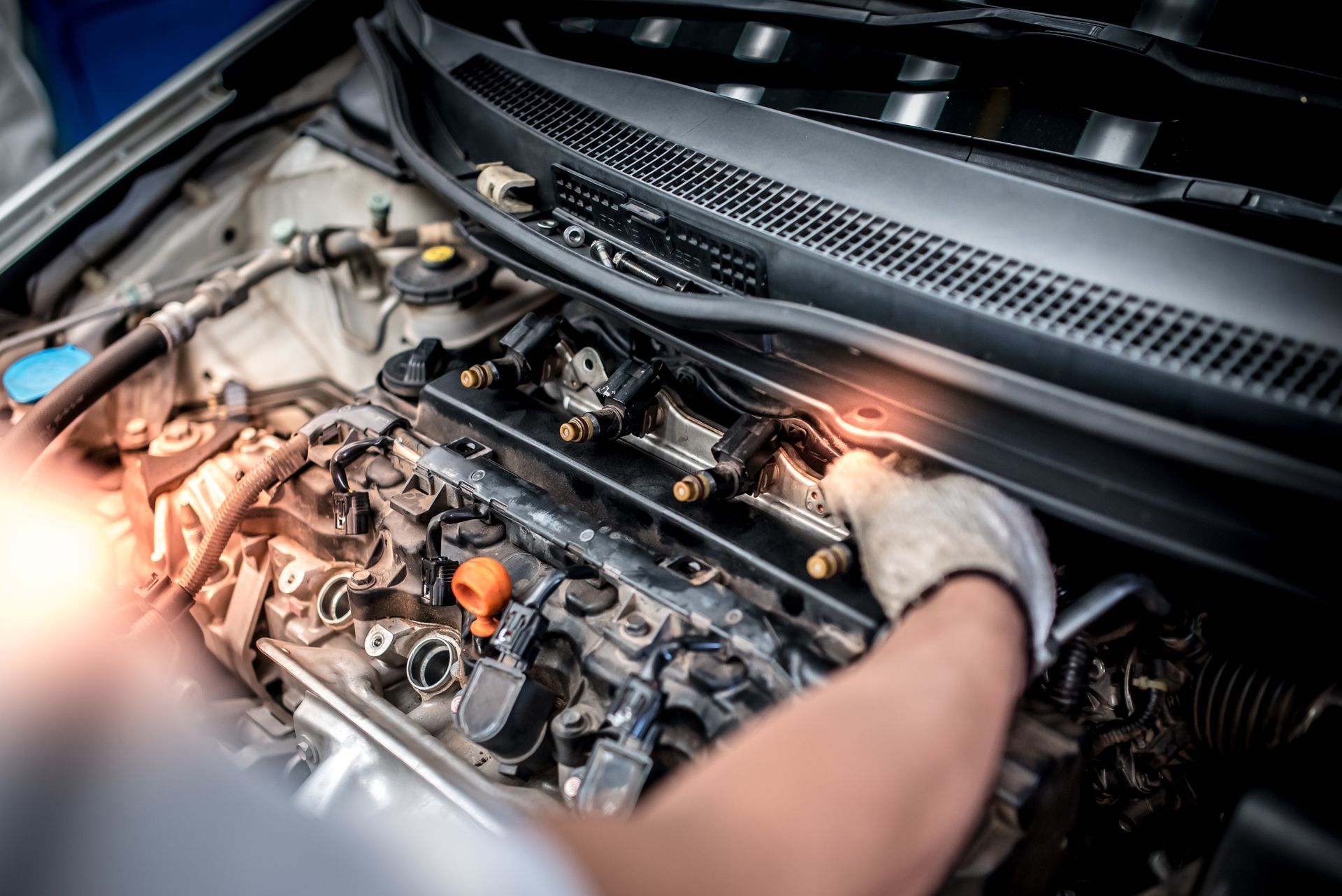
Audi is a luxury car brand that offers performance, style, and comfort. While Audis are known for their exceptional quality, they still require regular maintenance and repair to keep them running smoothly. In this blog post, we’ll explore some of the common auto repairs needed for Audi vehicles. Brake Repair Brake repair is a common issue for Audi vehicles. Brake pads and rotors wear out over time, and the braking system may need maintenance or repair to ensure safe stopping distances. Additionally, brake fluid should be flushed regularly to ensure that the braking system is working correctly. Suspension Repair Audis have a robust suspension system, but it’s not immune to wear and tear. Suspension repairs may include replacing shocks or struts, ball joints, and control arms. These repairs help ensure that your car’s handling and ride remain smooth and comfortable. Engine Repair Audi vehicles have powerful engines that require regular maintenance and repair. Common engine repairs include replacing worn-out belts or hoses, repairing leaks, or addressing issues with the cooling system or fuel injection system. Electrical System Repair Audi vehicles have advanced electrical systems that may require repair over time. Common electrical repairs may include replacing the battery, alternator, or starter motor. Additionally, issues with the car’s electronics, such as the infotainment system or dashboard display, may require attention from a certified technician. Transmission Repair Transmission repairs are common in Audi vehicles, especially those with automatic transmissions. Transmission repairs may include replacing worn-out clutches, fixing leaks, or rebuilding the transmission itself. Regular maintenance and proper driving habits can help extend the life of your transmission. In conclusion, regular maintenance and repair can help extend the life of your Audi vehicle. The most common auto repairs for Audi vehicles include brake repair, suspension repair, engine repair, electrical system repair, and transmission repair. If you’re experiencing any issues
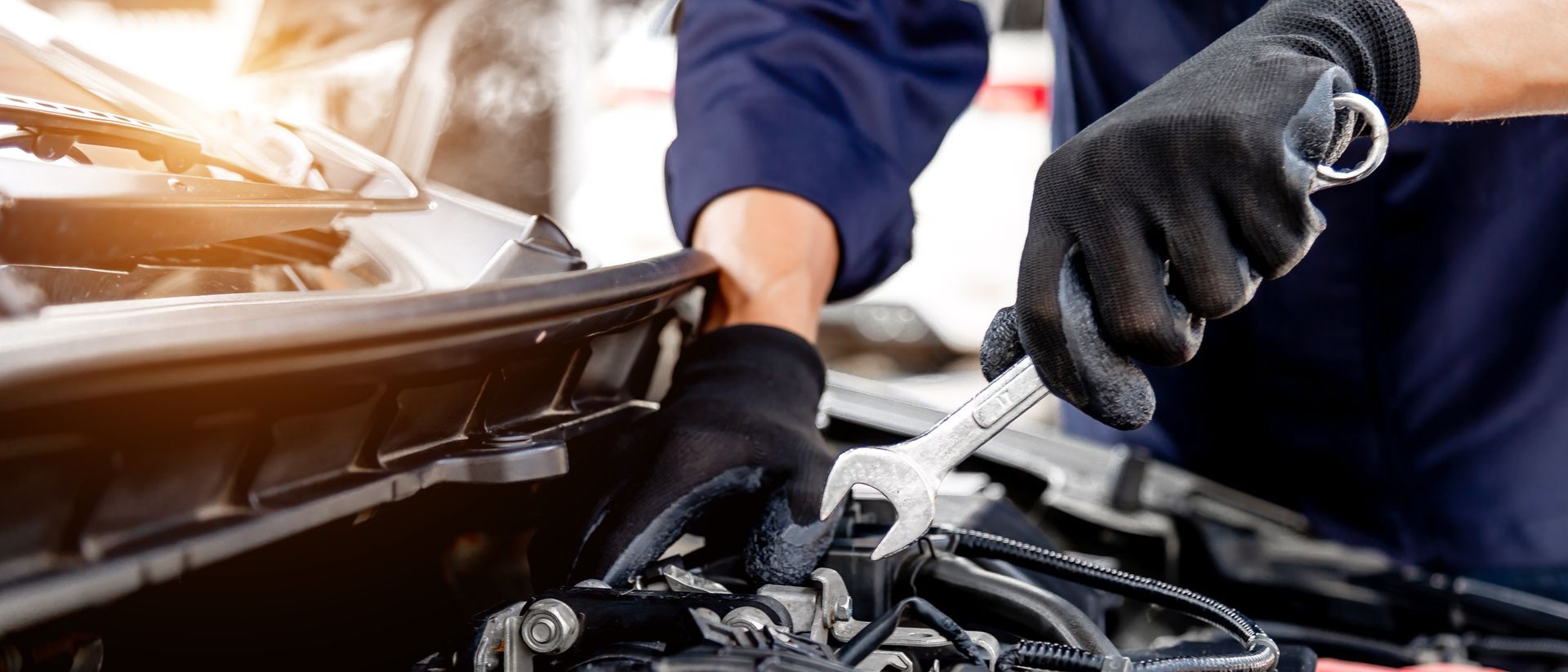
Ford vehicles are a popular choice for drivers in the United States. From the iconic Mustang to the dependable F-150, Ford has a range of vehicles that suit different needs and preferences. However, like any other vehicle, Ford cars require regular maintenance and repair. In this blog post, we’ll explore some of the common auto repair needs for Ford vehicles. Brake Repair Brake repair is one of the most common auto repairs for Ford vehicles. Brake pads and rotors wear out over time, requiring replacement to ensure safe stopping distances. Additionally, brake fluid should be flushed regularly to ensure that the braking system is working correctly. Transmission Repair Transmission repairs are common in Ford vehicles, especially those with automatic transmissions. Transmission repairs may include replacing worn-out clutches, fixing leaks, or rebuilding the transmission itself. Regular maintenance and proper driving habits can help extend the life of your transmission. Engine Repair Ford vehicles have reliable engines, but they may still require repair or maintenance over time. Common engine repairs include replacing worn-out belts or hoses, repairing leaks, or addressing issues with the cooling system or fuel injection system. Suspension Repair Ford vehicles have a sturdy suspension system, but it’s not immune to wear and tear. Suspension repairs may include replacing shocks or struts, ball joints, and control arms. These repairs help ensure that your car’s handling and ride remain smooth and comfortable. Electrical System Repair Ford vehicles have advanced electrical systems that may require repair over time. Common electrical repairs may include replacing the battery, alternator, or starter motor. Additionally, issues with the car’s electronics, such as the dashboard display or infotainment system, may require attention from a certified technician. In conclusion, regular maintenance and repair can help extend the life of your Ford vehicle. The most common auto repairs for Ford vehicles include brake repair, transmission repair, engine repair, suspension repair, and electrical system repair. If you’re experiencing any issues with your Ford vehicle, it’s essential to have it inspected by a certified technician to address any problems promptly. With proper care and maintenance, your Ford vehicle can provide you with years of reliable performance.
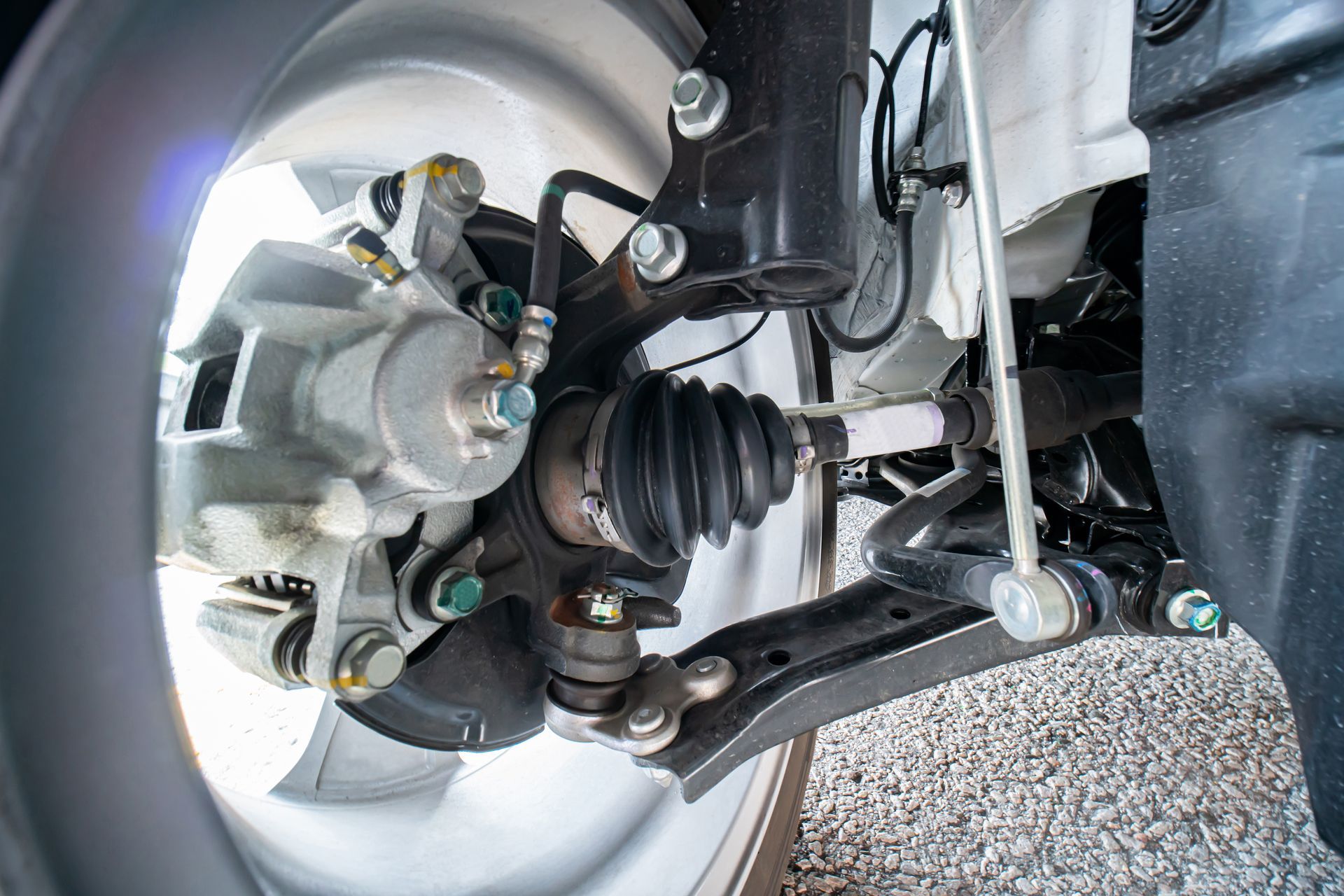
A rack and pinion is a type of steering mechanism that’s commonly found in modern vehicles. It’s responsible for translating the driver’s input into movement of the front wheels, allowing for precise control and handling. In this blog, we’ll take a closer look at rack and pinions, including how they work, common issues, and maintenance tips. What is a Rack and Pinion? A rack and pinion is a type of steering system that consists of a rack and a pinion gear. The rack is a long, flat piece of metal with teeth cut into it, while the pinion gear is a small gear that meshes with the teeth on the rack. When the pinion gear is turned, it moves the rack back and forth, causing the front wheels to turn. How Does a Rack and Pinion Work? The rack and pinion works by using the driver’s input to turn the pinion gear, which then moves the rack back and forth. This movement is transmitted to the front wheels via tie rods, which connect the ends of the rack to the steering knuckles. The tie rods move the steering knuckles, causing the front wheels to turn in the desired direction. Common Rack and Pinion Issues Like any mechanical component, rack and pinions can experience issues over time. Some common issues include: Leaking power steering fluid Loose or worn tie rods Excessive play in the steering Uneven tire wear Difficulty turning the steering wheel If you’re experiencing any of these issues, it’s important to have your rack and pinion inspected by a qualified mechanic to determine the best course of action. Maintaining Your Rack and Pinion Proper maintenance can help extend the life of your rack and pinion and prevent issues from occurring. Here are some tips for maintaining your rack and pinion: Check the power steering fluid level regularly and top it off as needed Inspect the tie rods for wear or damage and replace them as necessary Have the alignment checked regularly to ensure even tire wear Have the rack and pinion inspected by a qualified mechanic regularly Conclusion The rack and pinion is a critical component of a vehicle’s steering system, responsible for translating the driver’s input into movement of the front wheels. By understanding how it works, common issues, and maintenance tips, you can ensure that your rack and pinion is functioning properly and avoid more serious issues down the road. If you suspect that your rack and pinion is damaged or not performing properly, it’s important to have it inspected by a qualified mechanic to determine the best course of action.
If your Audi starts to jerk, hesitate, or lose power when you press the gas, it can be scary and frustrating. This problem is often described as a misfire under acceleration . When it happens, the engine does not burn fuel smoothly, and the car struggles to move the way it should. In many cases, this issue gets worse over time if it’s ignored. Understanding what causes an Audi to misfire during acceleration can help you fix it early, save money, and protect your engine. What Does a Misfire Feel Like While Driving? A misfire typically occurs during acceleration when the engine is under load. You may notice: Shaking or vibrating when speeding up Poor throttle response Sudden loss of power Rough or jerky driving Check Engine Light flashing or staying on Worse performance uphill or during passing These symptoms often become more noticeable at highway speeds or when merging into traffic. Why Misfires Happen More Under Acceleration When you accelerate, the engine needs more fuel, more air, and a stronger spark. If any part of that process fails, even slightly, the engine cannot keep up. This causes one or more cylinders to misfire, leading to rough driving and power loss. Audi engines are highly tuned, so even small issues can trigger noticeable problems. Common Causes of Audi Misfire Under Acceleration Worn or Failing Spark Plugs Spark plugs ignite the fuel inside the engine. Over time, they wear out and lose strength. Under light driving, weak spark plugs may seem fine. But when you accelerate, they can’t create a strong enough spark, causing misfires. Warning signs include: Rough acceleration Poor fuel economy Misfires at higher RPMs Audi engines are sensitive to spark plug condition, so worn plugs are a very common cause. Ignition Coil Problems Each spark plug is powered by an ignition coil. If a coil starts to fail, it may only misfire under load. This often causes: Sudden jerking during acceleration Flashing Check Engine Light Strong misfires at higher speeds In many Audi models, ignition coils are known to weaken over time, especially in turbocharged engines. Fuel Injector Issues Fuel injectors spray fuel into the engine in precise amounts. If one injector is clogged or failing, that cylinder won’t get enough fuel during acceleration. This can lead to: Hesitation when pressing the gas Uneven engine power Rough driving under load Dirty fuel or long service intervals can make this problem worse. Low Fuel Pressure Your Audi relies on proper fuel pressure to perform well. If the fuel pump or fuel pressure regulator is weak, the engine may starve for fuel during acceleration. Symptoms often include: Power loss at higher speeds Engine stumbling when accelerating Misfires during uphill driving Low fuel pressure can feel like the car is “holding back” when you need power the most. Vacuum Leaks and Air Intake Problems Audi engines depend on carefully measured airflow. If there’s a vacuum leak or cracked hose, too much air enters the engine. This causes: Lean air-fuel mixture Rough acceleration Random misfires Turbocharged Audi engines are especially sensitive to intake leaks because boost pressure makes the problem worse under acceleration. Mass Air Flow (MAF) Sensor Issues The MAF sensor tells the engine how much air is entering. If it sends incorrect data, the engine delivers the wrong amount of fuel. This can cause: Hesitation when accelerating Jerky throttle response Loss of power A dirty or failing MAF sensor is often overlooked but can create major drivability problems. Carbon Buildup on Intake Valves Many Audi engines use direct fuel injection. While efficient, this design can lead to carbon buildup on intake valves over time. Carbon buildup restricts airflow and causes: Rough acceleration Misfires under load Reduced engine performance This issue usually gets worse slowly and becomes more noticeable during hard acceleration. Turbocharger or Boost Control Problems If your Audi has a turbo, boost pressure is critical. Faulty boost control valves, wastegates, or leaking boost hoses can cause misfires. Common signs include: Weak acceleration Sudden power drop Engine shaking under boost When boost is inconsistent, the engine struggles to maintain smooth combustion. Can You Drive With an Audi Misfire? Driving with a misfire is not recommended . Even if the car still runs, misfires can: Damage the catalytic converter Increase fuel consumption Cause long-term engine wear Leave you stranded if the issue worsens A flashing Check Engine Light means the misfire is severe and needs immediate attention. How Mechanics Diagnose Audi Misfires Professional diagnosis usually includes: Scanning for fault codes Checking spark plugs and coils Testing fuel pressure Inspecting intake and vacuum lines Monitoring live engine data Audi vehicles store detailed misfire data, which helps pinpoint the exact cylinder or system causing the problem. How to Prevent Misfires in Audi Vehicles You can reduce the risk of misfires by following good maintenance habits: Replace spark plugs on schedule Use high-quality fuel Keep up with oil changes Address warning lights early Inspect hoses and coils regularly Preventive care goes a long way with Audi engines. Final Thoughts An Audi misfire under acceleration is more than just an annoyance. It’s a sign that something in the ignition, fuel, or air system is not working correctly. Left unchecked, it can lead to serious engine damage and unsafe driving conditions. The sooner you identify the cause, the easier and cheaper it usually is to fix. If your Audi is losing power, shaking, or driving rough when you accelerate, it’s time to take action. Smooth acceleration isn’t just about comfort—it’s about keeping your Audi performing the way it was designed to.
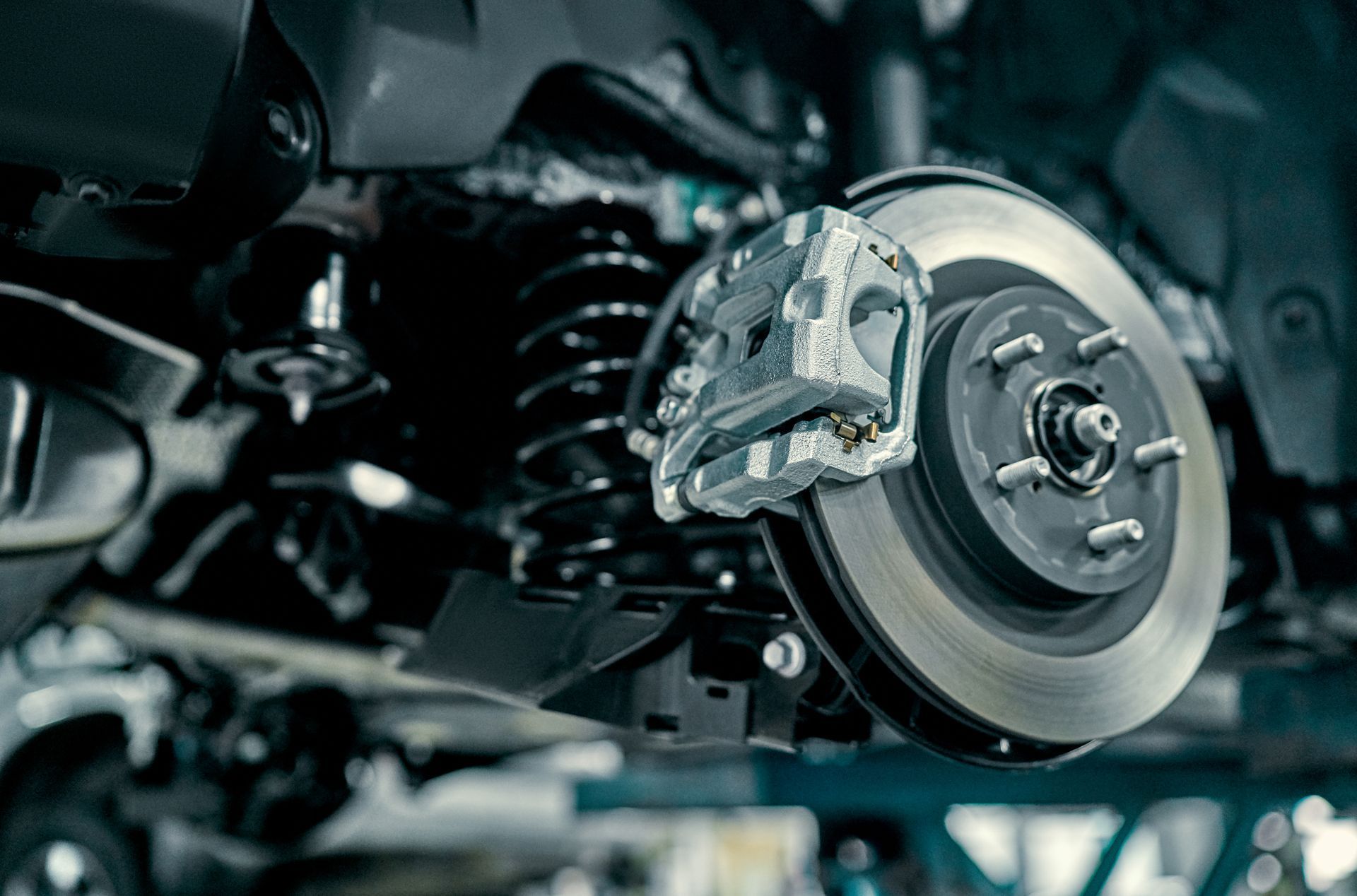
You’re driving through heavy rain or icy streets, focused on the road—when suddenly, a yellow or orange ABS light glows on your dashboard. Now what? If this has ever happened to you, don’t worry. You’re not alone, and this article is here to help. We’ll break down what the ABS light really means, why it matters more during wet or icy conditions, and what steps you should take to stay safe. What Is the ABS Light? The ABS light is a warning signal from your vehicle’s Anti-lock Braking System. ABS is designed to keep your wheels from locking up when you brake suddenly—especially on slippery roads. It helps you keep control of your car when you’re braking hard, which is why it’s so important during bad weather. When the ABS light turns on, it means your system has detected a problem. This doesn’t mean your brakes don’t work at all, but it does mean the anti-lock feature might not work if you need it. So if you’re driving in rain, ice, or snow, this light is a big deal. Why ABS Matters More in Rain, Ice, and Snow On dry roads, your tires grip the pavement well, and stopping is easier. But wet or icy roads reduce traction. That means when you brake, your tires can easily slide instead of grip. ABS steps in by quickly pulsing the brakes—much faster than any human can—to keep the wheels from locking. This helps your tires hold on to the road while slowing down, and it gives you more control to steer safely. If the ABS isn’t working during slick weather, your chances of skidding or spinning increase. That’s why understanding and fixing the issue is important. Common Reasons the ABS Light Comes On During Bad Weather Your car is full of sensors and wires that help the ABS function properly. Cold, wet, and snowy conditions can mess with those parts in a few different ways: 1. Wet or Dirty Wheel Sensors ABS uses wheel speed sensors to check how fast each wheel is turning. These sensors can get wet or coated in dirt, slush, or mud. When that happens, the sensors send weird signals to the car’s computer, making it think there’s a problem—even if your brakes are fine. This often happens during or after heavy rain or while driving through snow-covered roads. 2. Ice or Road Salt Buildup In freezing weather, ice and road salt can build up around your wheels and brake parts. This may block the sensors or damage wires that help your ABS system communicate. Salt is helpful for melting ice, but it’s rough on car parts. Over time, salt can cause corrosion in the ABS sensors or connectors. 3. Low Brake Fluid Level Brake fluid is needed to create pressure in your brake system. If the fluid level drops—because of a leak or normal wear—your car might turn on the ABS light. Cold weather can also thicken brake fluid slightly, especially if it’s old. This can make your system less responsive, and your car may throw a warning. 4. Weak Battery or Electrical Issues Your ABS system relies on power from your vehicle’s battery. Cold weather is hard on batteries and may cause them to lose charge more quickly. If your battery is weak or your alternator isn’t charging properly, it might interrupt power to the ABS. In that case, your dashboard light will turn on as a warning. 5. A Faulty ABS Module The ABS module is the “brain” of the system. It reads signals from sensors and controls when and how to activate the brakes. Over time, exposure to moisture, dirt, and road salt can damage this part. If the module fails, the system may not work at all, and the ABS light will remain on until it’s repaired or replaced. What You Should Do When the ABS Light Turns On If your ABS light turns on during wet or icy driving, don’t panic. But don’t ignore it either. Follow these steps to handle the situation safely: Step 1: Stay Calm Your brakes still work—you’re not in immediate danger. But your ABS feature might be offline, so drive more carefully than usual. Step 2: Drive Slowly and Safely Leave extra space between you and the car ahead. Brake earlier and more gently than you usually would. Avoid sudden moves that could cause skidding. Step 3: Try Restarting Your Car Sometimes, your car’s computer just needs a quick reset. Pull over when it’s safe, turn off the car, wait about 30 seconds, and then start it again. If it was just a glitch, the ABS light might turn off. Step 4: Check the Wheels If you’re comfortable doing it, check around your wheels for snow, ice, mud, or road salt buildup. Gently remove any debris around the brakes or sensors if possible. Step 5: Visit a Mechanic If the light stays on or keeps coming back, take your car to a trusted mechanic. They can use a diagnostic tool to find the exact problem and fix it before it leads to bigger issues—or an unsafe situation on the road. Why You Shouldn’t Ignore the ABS Light in Winter It might be tempting to brush off that glowing ABS light. After all, the car still stops, right? The problem is, your stopping power isn’t the same—especially on wet or icy roads. Without a working ABS system, your wheels are more likely to lock up and slide if you brake hard. That could mean the difference between a safe stop and a crash. Also, many modern cars tie the ABS system to other safety systems, like traction control or electronic stability control. If the ABS is down, those features may be offline too—leaving you even more vulnerable in tough road conditions. How to Prevent ABS Issues in Bad Weather Good news: there are a few things you can do to help prevent your ABS light from coming on during cold or wet conditions: Wash Your Car in Winter: Cleaning your wheels helps prevent salt and grime buildup, which can damage sensors and wiring. Check Brake Fluid Often: Ask your mechanic to check your brake fluid when you get an oil change—or do it yourself monthly if you know how. Keep Your Battery Healthy: Make sure your battery is strong and your alternator is working well. Consider a battery check-up before winter begins. Install Winter Tires: These give you better grip and reduce the chance of skidding—making it easier on your brakes and ABS. Don’t Ignore Small Warnings: A grinding noise or a soft brake pedal might be signs of a bigger problem. Get it checked before it turns into an ABS warning. Conclusion Seeing your ABS light during wet or icy driving is never fun. But understanding what it means—and what to do about it—can help you stay safe and in control. The ABS system is a major part of modern vehicle safety. In bad weather, it’s even more important. So if your ABS light comes on, take action early. It might just save you from a slide, a spin, or something worse. Stay safe, stay smart—and don’t let a little light on your dashboard catch you off guard this winter.
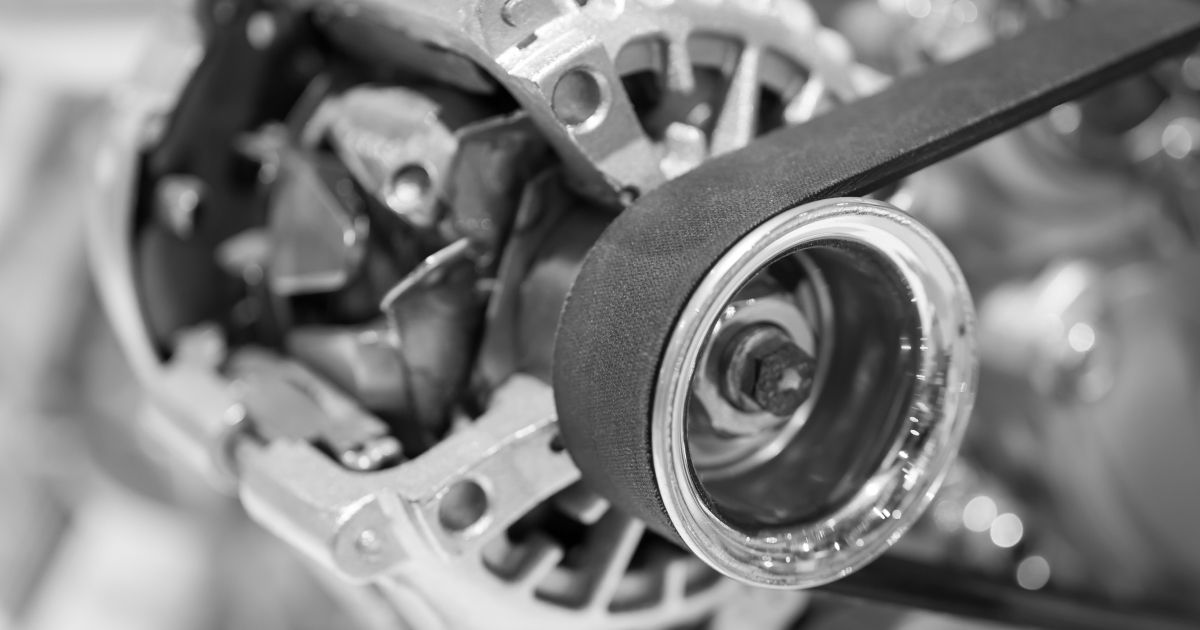
What’s That Noise? A Northglenn Driver’s Guide to Decoding Car Sounds Every strange car sound has a cause, and knowing the difference between a minor squeak and a serious problem can save you hundreds in repair costs. Whether you’re hearing grinding when you brake, a persistent hum as you accelerate, or alarming knocks from your engine, these sounds provide valuable clues about your vehicle’s condition. In this comprehensive guide, we’ll break down the most common car noises drivers in Northglenn, Thornton, and Commerce City experience, explain the science behind why vehicles make these sounds, and show you our diagnostic process at Accurate Automotive . You’ll learn how to identify urgent issues, what details help mechanics diagnose problems faster, and why preventive maintenance stops most noises before they start. Why Colorado Drivers Need to Pay Attention to Car Sounds Your vehicle uses sounds as an early warning system. Ignoring these signals can transform a simple repair into a major expense that could have been prevented. Think of car noises like symptoms at a doctor’s office. A grinding noise when braking could indicate worn brake pads scraping against your rotors, potentially compromising your ability to stop safely. That humming noise when accelerating might point to wheel bearing issues that could affect your vehicle’s stability. The Sound Decoder: Common Car Noises and Their Meanings Grinding Noise from Brakes A grinding noise when braking is one of the most critical sounds to address immediately. This metallic scraping typically indicates your brake pads have worn down completely. What causes grinding brakes: Worn Brake Pads: No friction material remaining on the pad surface Debris Trapped: Foreign objects caught between the pad and rotor Rust Buildup: Surface corrosion after your vehicle sits unused Hardware Issues: Damaged brake components or worn calipers This sound means metal is scraping metal, and every mile you drive is causing additional damage to your rotors. Humming or Droning Noise When Accelerating A humming noise when accelerating often stems from your wheel bearings or tires. This sound typically increases with speed and may change pitch during turns. Common sources include: Wheel Bearings: Worn bearings create friction and heat Tire Wear: Uneven tread patterns are causing road noise Differential Problems: Issues in rear-wheel drive vehicles CV Joint Wear: Front-wheel drive drivetrain complications The tricky part about humming noises is that they can seem to come from everywhere at once. A systematic inspection helps identify whether the issue is in your wheels, tires, or drivetrain. Engine Knocking or Pinging Sounds Engine knocking is a sharp, metallic tapping sound that often indicates improper combustion. This noise demands immediate attention because it can lead to serious engine damage. Potential causes: Fuel Quality Issues: Low-octane fuel in a high-compression engine Carbon Deposits: Buildup on cylinder walls or pistons Bearing Wear: Excessive clearance in engine bearings Overheating: High temperatures cause pre-ignition Sensor Failure: Faulty knock sensors not adjusting timing Engine knocking in Northglenn vehicles often relates to our altitude and fuel quality. The thinner air at higher elevations can affect engine performance, making proper fuel selection and maintenance even more critical. Whining and Squealing Sounds High-pitched noises from your engine area or brakes can indicate various issues: Whining noises typically mean: Power Steering: Pump running low on fluid or failing internally Belt Issues: Worn serpentine belt or misaligned pulleys Alternator Problems: Bearing failure creates friction Squealing sounds often indicate: Brake Wear Indicators: Metal tabs designed to alert you Glazed Brake Pads: Heat-hardened surface creates vibration Belt Wear: Cracked serpentine belt slipping on pulleys Many brake pads include small metal tabs called wear indicators that intentionally create a squealing sound when pads reach minimum thickness. This early warning gives you time to schedule service before the grinding stage begins. Quick Reference: Car Noise Diagnosis Chart

Winter weather changes the way we drive. Roads get slick, snow piles up, and icy patches turn simple trips into tricky challenges. If you already have mud tires on your truck or SUV, you might wonder if you can skip buying winter tires. After all, they look tough, with deep grooves and thick tread. But do they actually perform well in snow and ice? Let’s break down what mud tires and winter tires do, how they differ, and which one is better for driving in cold, snowy weather. What Are Mud Tires? Mud tires, also known as mud-terrain (MT) tires, are designed for off-road driving. They’re built to tackle tough terrains like deep mud, loose dirt, rocks, and uneven trails. Key features of mud tires: Aggressive tread patterns: These tires have large blocks and wide grooves that help grip soft, squishy surfaces. Self-cleaning design: The tread is made to throw off mud and dirt as the tire spins. Durable construction: Thick sidewalls protect against cuts, sharp rocks, and damage from rough terrain. Mud tires are ideal for people who spend time off-roading, working on farms, or driving through forests and backroads. They give you great control in wet, muddy conditions. But winter weather brings a different kind of challenge—one that mud tires weren’t exactly built for. What Are Winter Tires? Winter tires, sometimes called snow tires, are made specifically for cold temperatures, snow, slush, and ice. Their job is to keep you safe when the roads are frozen and slippery. Key features of winter tires: Special rubber compound: Winter tires stay soft and flexible even when the temperature drops below freezing. This helps them grip the road better. Tread design for cold: Winter tires have lots of small cuts, called sipes, which bite into ice and snow to give better traction. Better braking and cornering: These tires are tested for performance on snowy and icy roads and are built to stop faster and steer more smoothly. They’re not just a marketing gimmick. Winter tires truly make a difference in how your vehicle handles when conditions get nasty. How Mud Tires Perform in Snow Mud tires may look like they’d be great in snow because of their big tread and rugged appearance. And in some cases, they do perform decently—especially in deep, fluffy snow where their wide tread blocks can dig in and help move the vehicle forward. Where mud tires do okay in snow: Loose powder: Mud tires can push through deep snow similar to how they handle mud. Off-road snowy trails: If you’re driving in open fields, forests, or mountain roads, mud tires may be helpful. But once you hit packed snow, slush, or icy roads , the performance drops. Here’s why: Hard rubber gets worse in cold: Mud tires are made from rubber that works well in warm temperatures. When it gets cold, that rubber stiffens. Hard rubber doesn’t grip slick roads well. Not enough biting edges: Winter tires have hundreds of tiny sipes that help hold the road. Mud tires don’t have many of these. Less control on pavement: Mud tires are made for dirt, not smooth roads. In the snow, especially on paved streets, they tend to slide more and stop slower. The result: Driving on mud tires during a snowstorm might feel like driving on slicks. You can lose grip when turning, take longer to stop, and struggle to climb icy hills. How Winter Tires Handle Snow and Ice Winter tires are made for exactly the kind of conditions we just described. They’re tested in snow, on icy tracks, and in cold temperatures to make sure they perform well where it matters most—on real roads in real winter. Here’s what makes winter tires special: Rubber that adapts to the cold: Winter tires use a rubber blend that stays flexible in freezing temperatures. This means they can better mold to the road surface and provide more grip. Tread that cuts through snow and slush: The tread is designed to channel snow and slush away from the tire, helping you stay in control. Sipes for safety: Those small cuts across the tread (sipes) increase surface area and allow the tire to “bite” into the road, especially on ice. According to tire experts and safety tests, winter tires stop faster and handle better in cold weather than any other kind of tire , including all-seasons and mud tires. Mud Tires vs Winter Tires: A Simple Comparison Let’s put them side by side to see how they really stack up in winter driving conditions: