



A soft brake pedal needs checking even if the car still stops. Accurate Automotive in Northglenn, Colorado, explains what we test.
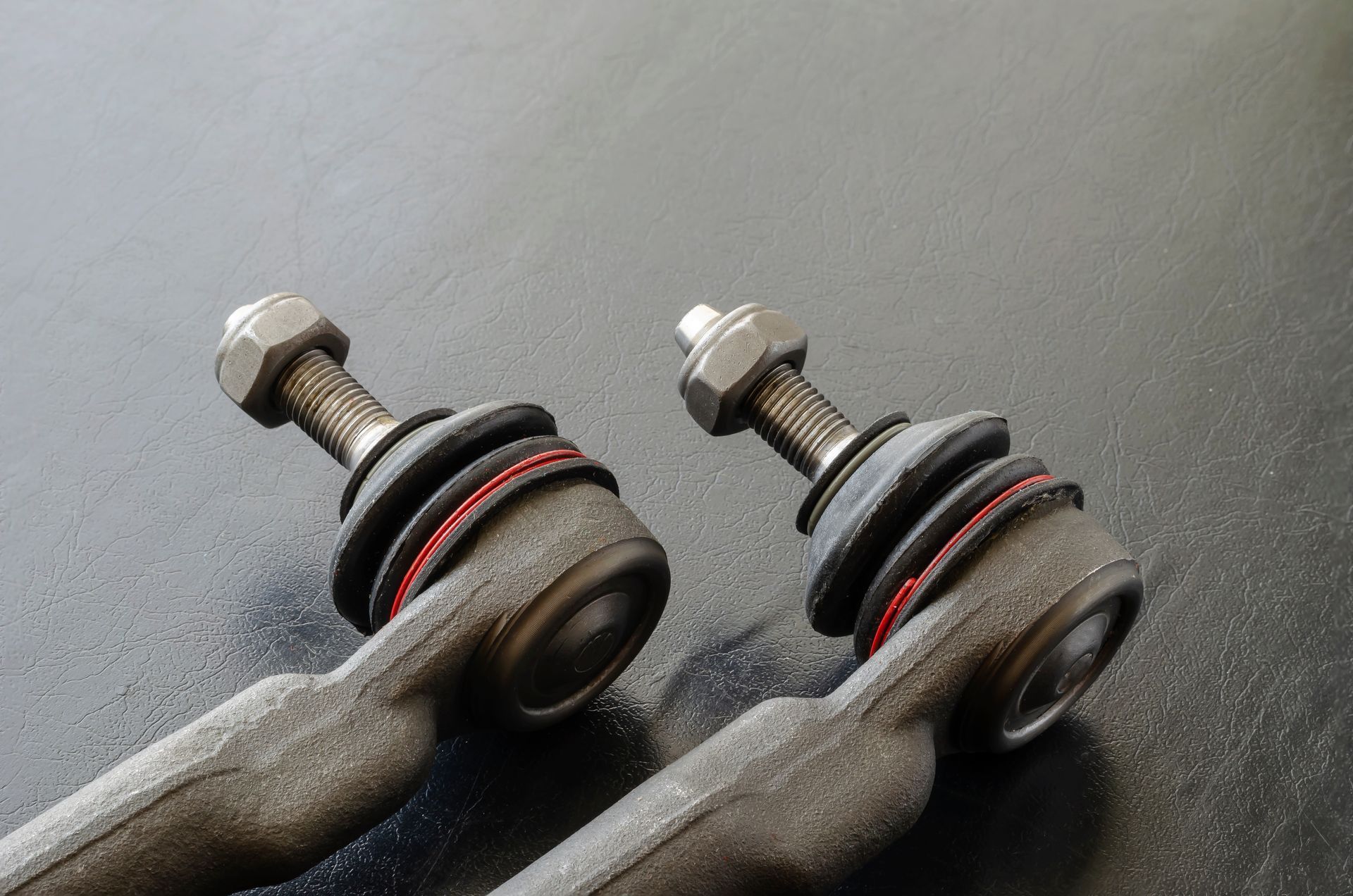
A worn ball joint can cause noise, loose steering, and uneven tire wear. Learn the warning signs and why a hands-on inspection matters.
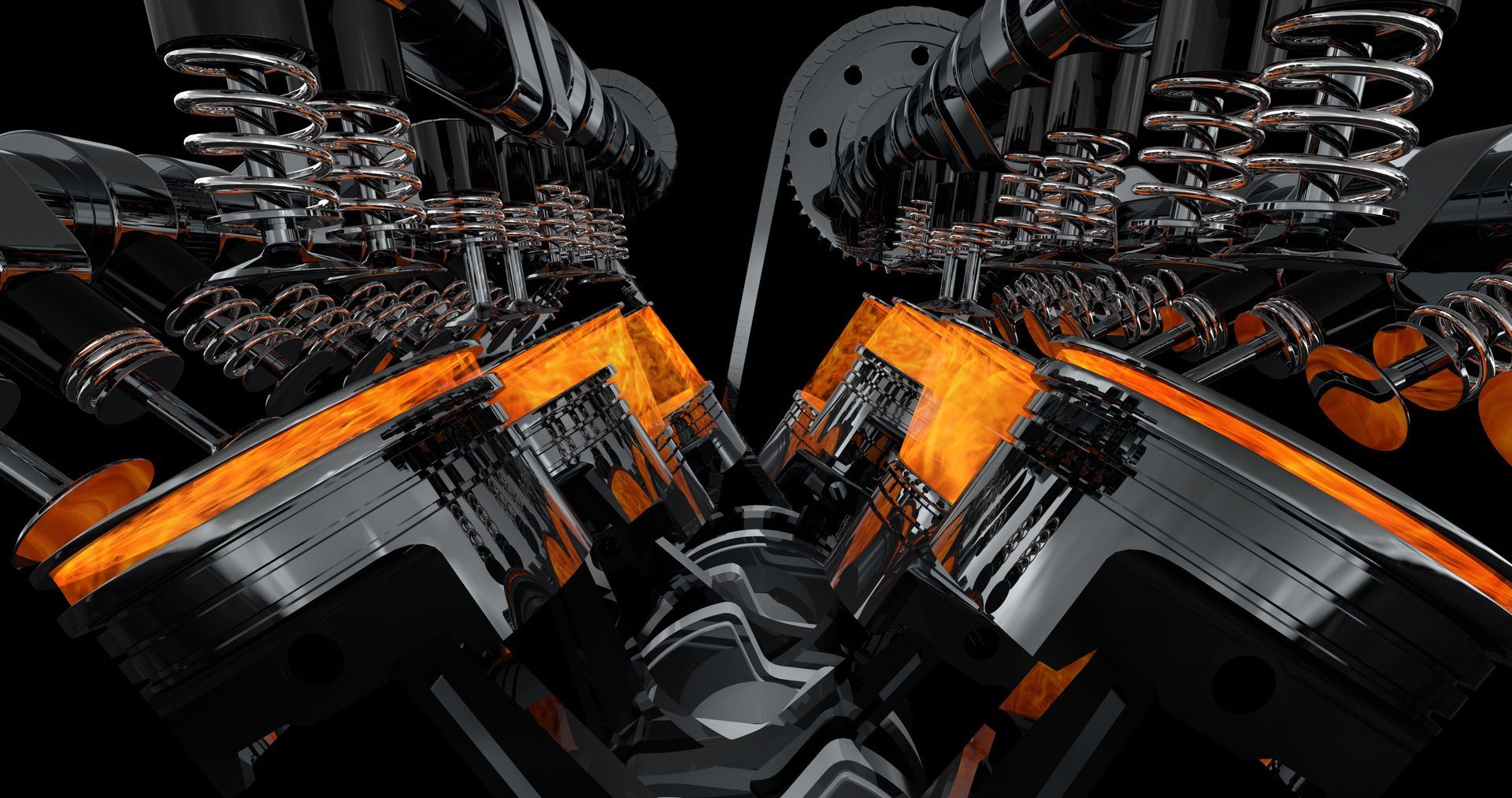
Accurate Automotive in Northglenn, CO, explains why turbocharged engines are especially sensitive to oil maintenance.

Accurate Automotive in Northglenn, CO, explains the differences between serpentine belts, timing belts, and chains.
Subaru cars are a popular choice for Colorado residents. The state’s scenic landscapes and diverse terrains make it an excellent place to own a Subaru vehicle. In this blog post, we’ll explore why Subaru and Colorado make a perfect combination. All-Wheel Drive Subaru cars are known for their all-wheel drive (AWD) system, which provides excellent traction and stability on various terrains, including snowy and icy roads. Colorado’s mountainous terrain and frequent snowstorms make AWD a must-have feature for many car owners in the state. Fuel Efficiency Subaru cars are designed to be fuel-efficient, which is essential for Colorado’s long stretches of highway and scenic routes. Subaru’s latest models come equipped with advanced technology to improve fuel efficiency and reduce emissions, making them an environmentally friendly choice for Colorado residents. Outdoor Adventure Colorado is known for its outdoor activities, such as skiing, hiking, and camping. Subaru vehicles offer ample cargo space and roof racks for carrying outdoor gear, making them ideal for outdoor enthusiasts. Whether you’re planning a weekend camping trip or a day of skiing, Subaru vehicles can handle it all. Safety Subaru cars are designed with safety in mind, which is essential for Colorado’s harsh weather conditions and mountainous terrain. Subaru’s EyeSight driver-assist technology provides features such as adaptive cruise control, pre-collision braking, and lane departure warning to help drivers stay safe on the road. Community Subaru owners in Colorado are part of a close-knit community of outdoor enthusiasts who share a passion for adventure and exploration. Subaru has a reputation for being a brand that values community and social responsibility, which is why Subaru owners often feel connected to each other and to the brand. In conclusion, Subaru cars and Colorado make a perfect combination. Subaru’s all-wheel drive, fuel efficiency, ample cargo space, safety features, and community values make them an ideal choice for Colorado residents. Whether you’re driving to the mountains for a ski weekend or exploring scenic routes, a Subaru car is the perfect vehicle for Colorado’s outdoor lifestyle.
Volkswagen is a popular German car manufacturer known for producing quality cars that offer a comfortable driving experience, excellent handling, and unique designs. However, like any other car brand, Volkswagens require repairs and maintenance from time to time. In this blog, we will discuss some of the common repairs that Volkswagen owners may encounter. Ignition Coil Replacement One of the most common repairs Volkswagen owners face is the need to replace the ignition coil. The ignition coil is responsible for providing the spark that ignites the fuel and air mixture in the engine’s cylinders. Over time, the ignition coil can wear out or become damaged, resulting in poor engine performance, misfires, or a complete failure to start. Ignition coil replacement is a relatively simple repair, and Volkswagen owners should expect to pay around $300 for parts and labor. Timing Belt Replacement The timing belt is an essential component of the engine, responsible for keeping the engine’s valves and pistons in sync. If the timing belt fails, it can cause severe engine damage, resulting in costly repairs. Volkswagen recommends replacing the timing belt every 60,000 miles or every five years, whichever comes first. The cost of timing belt replacement varies depending on the Volkswagen model, but owners can expect to pay between $500 and $1,000 for parts and labor. Mass Airflow Sensor Replacement The mass airflow sensor measures the amount of air entering the engine and sends that information to the car’s computer. A faulty mass airflow sensor can cause poor engine performance, reduced fuel economy, and even engine stalling. Replacing the mass airflow sensor is a relatively simple repair, and Volkswagen owners should expect to pay around $300 for parts and labor. Oil Leaks Volkswagen engines are known to develop oil leaks over time, especially in the valve cover gasket and the oil pan gasket. Oil leaks can cause a variety of problems, including low oil levels, engine damage, and environmental damage. Repairing oil leaks requires replacing the gaskets, which typically costs around $500 for parts and labor. Transmission Issues Volkswagen transmissions are known for their smooth shifting and reliability, but they can still experience issues. Some of the common transmission problems Volkswagen owners may encounter include slipping gears, rough shifting, and transmission fluid leaks. Transmission repairs can be costly, and owners should expect to pay several thousand dollars for a complete transmission rebuild. In conclusion, Volkswagen is a great car brand, but like any other car, it requires regular maintenance and repairs to keep it running smoothly. Volkswagen owners should be aware of these common repairs and budget accordingly. Regular maintenance and timely repairs can help extend the life of a Volkswagen and prevent more costly repairs down the road.
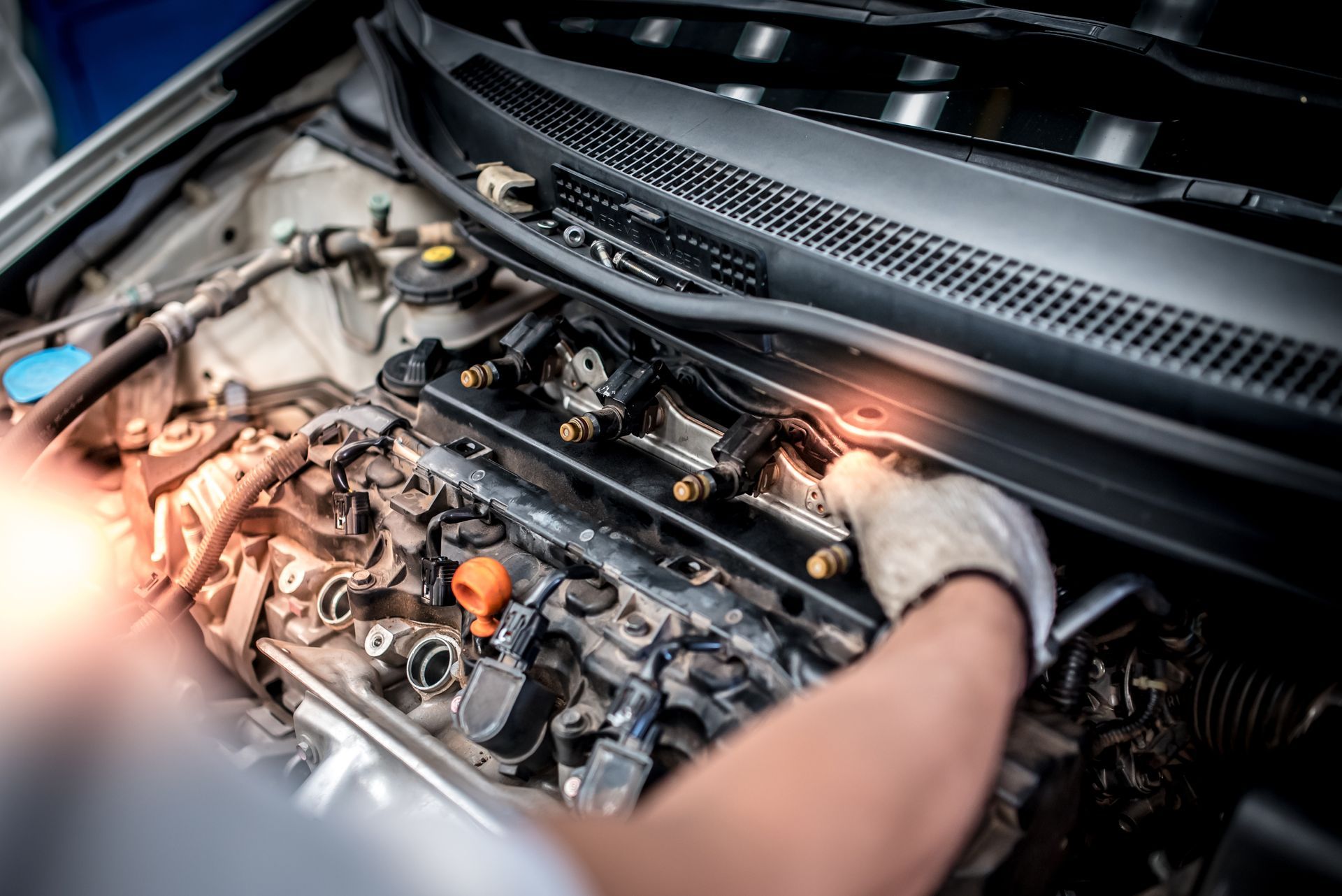
Audi is a luxury car brand that offers performance, style, and comfort. While Audis are known for their exceptional quality, they still require regular maintenance and repair to keep them running smoothly. In this blog post, we’ll explore some of the common auto repairs needed for Audi vehicles. Brake Repair Brake repair is a common issue for Audi vehicles. Brake pads and rotors wear out over time, and the braking system may need maintenance or repair to ensure safe stopping distances. Additionally, brake fluid should be flushed regularly to ensure that the braking system is working correctly. Suspension Repair Audis have a robust suspension system, but it’s not immune to wear and tear. Suspension repairs may include replacing shocks or struts, ball joints, and control arms. These repairs help ensure that your car’s handling and ride remain smooth and comfortable. Engine Repair Audi vehicles have powerful engines that require regular maintenance and repair. Common engine repairs include replacing worn-out belts or hoses, repairing leaks, or addressing issues with the cooling system or fuel injection system. Electrical System Repair Audi vehicles have advanced electrical systems that may require repair over time. Common electrical repairs may include replacing the battery, alternator, or starter motor. Additionally, issues with the car’s electronics, such as the infotainment system or dashboard display, may require attention from a certified technician. Transmission Repair Transmission repairs are common in Audi vehicles, especially those with automatic transmissions. Transmission repairs may include replacing worn-out clutches, fixing leaks, or rebuilding the transmission itself. Regular maintenance and proper driving habits can help extend the life of your transmission. In conclusion, regular maintenance and repair can help extend the life of your Audi vehicle. The most common auto repairs for Audi vehicles include brake repair, suspension repair, engine repair, electrical system repair, and transmission repair. If you’re experiencing any issues
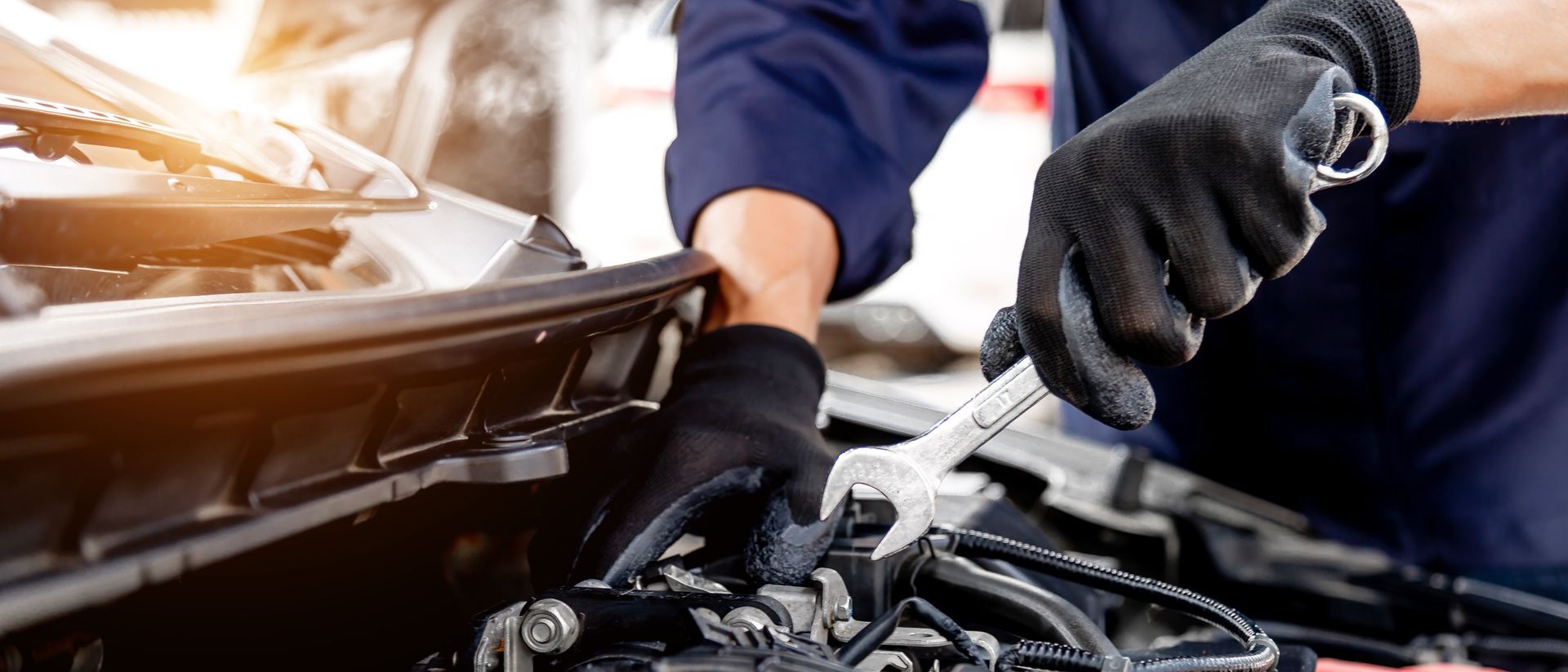
Ford vehicles are a popular choice for drivers in the United States. From the iconic Mustang to the dependable F-150, Ford has a range of vehicles that suit different needs and preferences. However, like any other vehicle, Ford cars require regular maintenance and repair. In this blog post, we’ll explore some of the common auto repair needs for Ford vehicles. Brake Repair Brake repair is one of the most common auto repairs for Ford vehicles. Brake pads and rotors wear out over time, requiring replacement to ensure safe stopping distances. Additionally, brake fluid should be flushed regularly to ensure that the braking system is working correctly. Transmission Repair Transmission repairs are common in Ford vehicles, especially those with automatic transmissions. Transmission repairs may include replacing worn-out clutches, fixing leaks, or rebuilding the transmission itself. Regular maintenance and proper driving habits can help extend the life of your transmission. Engine Repair Ford vehicles have reliable engines, but they may still require repair or maintenance over time. Common engine repairs include replacing worn-out belts or hoses, repairing leaks, or addressing issues with the cooling system or fuel injection system. Suspension Repair Ford vehicles have a sturdy suspension system, but it’s not immune to wear and tear. Suspension repairs may include replacing shocks or struts, ball joints, and control arms. These repairs help ensure that your car’s handling and ride remain smooth and comfortable. Electrical System Repair Ford vehicles have advanced electrical systems that may require repair over time. Common electrical repairs may include replacing the battery, alternator, or starter motor. Additionally, issues with the car’s electronics, such as the dashboard display or infotainment system, may require attention from a certified technician. In conclusion, regular maintenance and repair can help extend the life of your Ford vehicle. The most common auto repairs for Ford vehicles include brake repair, transmission repair, engine repair, suspension repair, and electrical system repair. If you’re experiencing any issues with your Ford vehicle, it’s essential to have it inspected by a certified technician to address any problems promptly. With proper care and maintenance, your Ford vehicle can provide you with years of reliable performance.
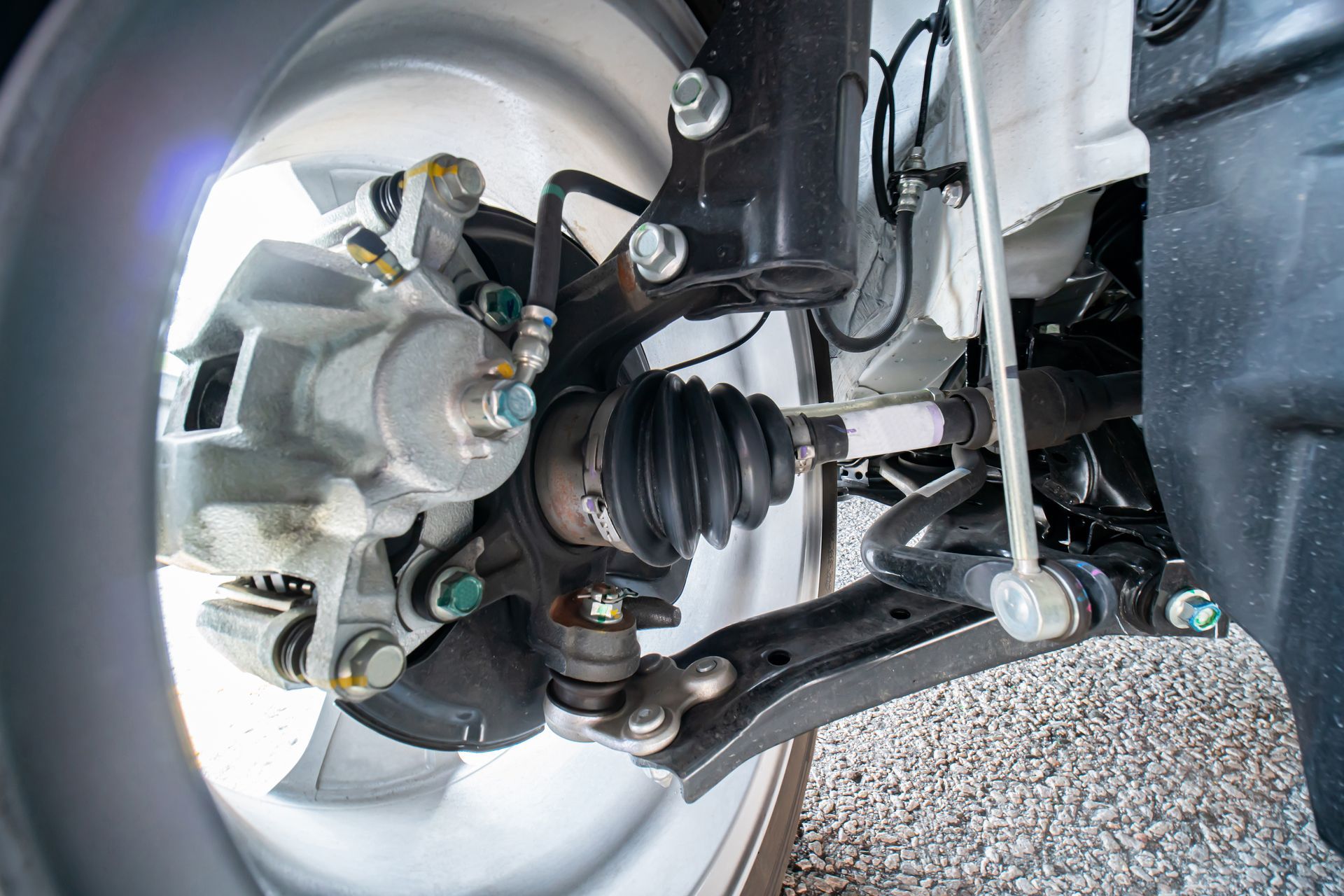
A rack and pinion is a type of steering mechanism that’s commonly found in modern vehicles. It’s responsible for translating the driver’s input into movement of the front wheels, allowing for precise control and handling. In this blog, we’ll take a closer look at rack and pinions, including how they work, common issues, and maintenance tips. What is a Rack and Pinion? A rack and pinion is a type of steering system that consists of a rack and a pinion gear. The rack is a long, flat piece of metal with teeth cut into it, while the pinion gear is a small gear that meshes with the teeth on the rack. When the pinion gear is turned, it moves the rack back and forth, causing the front wheels to turn. How Does a Rack and Pinion Work? The rack and pinion works by using the driver’s input to turn the pinion gear, which then moves the rack back and forth. This movement is transmitted to the front wheels via tie rods, which connect the ends of the rack to the steering knuckles. The tie rods move the steering knuckles, causing the front wheels to turn in the desired direction. Common Rack and Pinion Issues Like any mechanical component, rack and pinions can experience issues over time. Some common issues include: Leaking power steering fluid Loose or worn tie rods Excessive play in the steering Uneven tire wear Difficulty turning the steering wheel If you’re experiencing any of these issues, it’s important to have your rack and pinion inspected by a qualified mechanic to determine the best course of action. Maintaining Your Rack and Pinion Proper maintenance can help extend the life of your rack and pinion and prevent issues from occurring. Here are some tips for maintaining your rack and pinion: Check the power steering fluid level regularly and top it off as needed Inspect the tie rods for wear or damage and replace them as necessary Have the alignment checked regularly to ensure even tire wear Have the rack and pinion inspected by a qualified mechanic regularly Conclusion The rack and pinion is a critical component of a vehicle’s steering system, responsible for translating the driver’s input into movement of the front wheels. By understanding how it works, common issues, and maintenance tips, you can ensure that your rack and pinion is functioning properly and avoid more serious issues down the road. If you suspect that your rack and pinion is damaged or not performing properly, it’s important to have it inspected by a qualified mechanic to determine the best course of action.
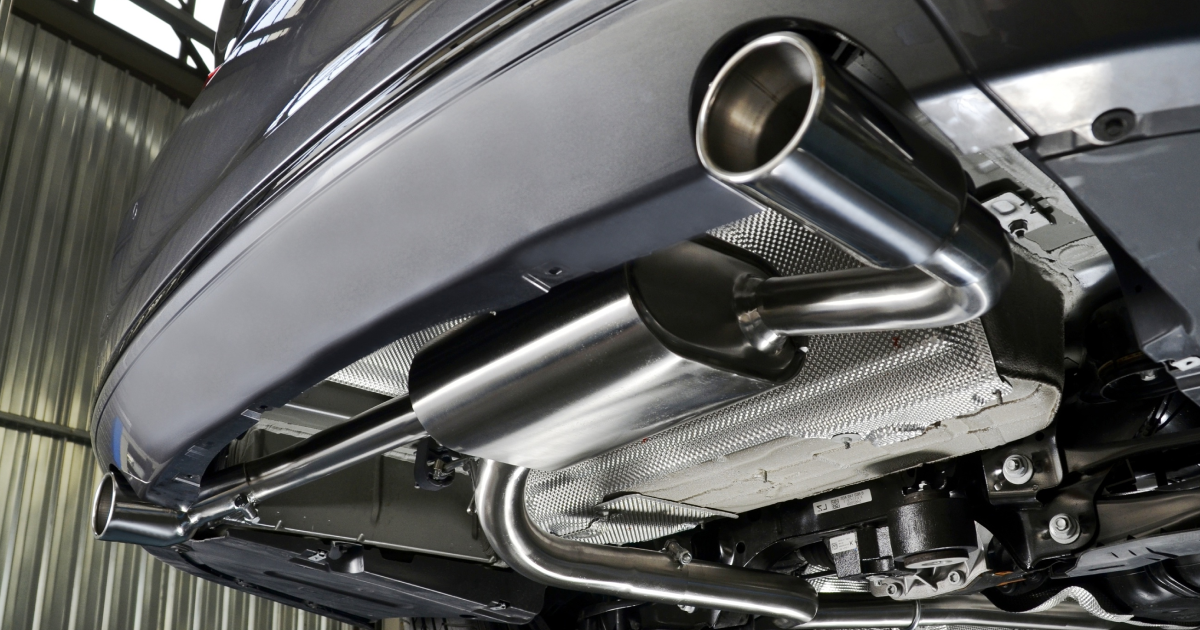
If your Audi starts to jerk, hesitate, or lose power when you press the gas, it can be scary and frustrating. This problem is often described as a misfire under acceleration . When it happens, the engine does not burn fuel smoothly, and the car struggles to move the way it should. In many cases, this issue gets worse over time if it’s ignored. Understanding what causes an Audi to misfire during acceleration can help you fix it early, save money, and protect your engine. What Does a Misfire Feel Like While Driving? A misfire typically occurs during acceleration when the engine is under load. You may notice: Shaking or vibrating when speeding up Poor throttle response Sudden loss of power Rough or jerky driving Check Engine Light flashing or staying on Worse performance uphill or during passing These symptoms often become more noticeable at highway speeds or when merging into traffic. Why Misfires Happen More Under Acceleration When you accelerate, the engine needs more fuel, more air, and a stronger spark. If any part of that process fails, even slightly, the engine cannot keep up. This causes one or more cylinders to misfire, leading to rough driving and power loss. Audi engines are highly tuned, so even small issues can trigger noticeable problems. Common Causes of Audi Misfire Under Acceleration Worn or Failing Spark Plugs Spark plugs ignite the fuel inside the engine. Over time, they wear out and lose strength. Under light driving, weak spark plugs may seem fine. But when you accelerate, they can’t create a strong enough spark, causing misfires. Warning signs include: Rough acceleration Poor fuel economy Misfires at higher RPMs Audi engines are sensitive to spark plug condition, so worn plugs are a very common cause. Ignition Coil Problems Each spark plug is powered by an ignition coil. If a coil starts to fail, it may only misfire under load. This often causes: Sudden jerking during acceleration Flashing Check Engine Light Strong misfires at higher speeds In many Audi models, ignition coils are known to weaken over time, especially in turbocharged engines. Fuel Injector Issues Fuel injectors spray fuel into the engine in precise amounts. If one injector is clogged or failing, that cylinder won’t get enough fuel during acceleration. This can lead to: Hesitation when pressing the gas Uneven engine power Rough driving under load Dirty fuel or long service intervals can make this problem worse. Low Fuel Pressure Your Audi relies on proper fuel pressure to perform well. If the fuel pump or fuel pressure regulator is weak, the engine may starve for fuel during acceleration. Symptoms often include: Power loss at higher speeds Engine stumbling when accelerating Misfires during uphill driving Low fuel pressure can feel like the car is “holding back” when you need power the most. Vacuum Leaks and Air Intake Problems Audi engines depend on carefully measured airflow. If there’s a vacuum leak or cracked hose, too much air enters the engine. This causes: Lean air-fuel mixture Rough acceleration Random misfires Turbocharged Audi engines are especially sensitive to intake leaks because boost pressure makes the problem worse under acceleration. Mass Air Flow (MAF) Sensor Issues The MAF sensor tells the engine how much air is entering. If it sends incorrect data, the engine delivers the wrong amount of fuel. This can cause: Hesitation when accelerating Jerky throttle response Loss of power A dirty or failing MAF sensor is often overlooked but can create major drivability problems. Carbon Buildup on Intake Valves Many Audi engines use direct fuel injection. While efficient, this design can lead to carbon buildup on intake valves over time. Carbon buildup restricts airflow and causes: Rough acceleration Misfires under load Reduced engine performance This issue usually gets worse slowly and becomes more noticeable during hard acceleration. Turbocharger or Boost Control Problems If your Audi has a turbo, boost pressure is critical. Faulty boost control valves, wastegates, or leaking boost hoses can cause misfires. Common signs include: Weak acceleration Sudden power drop Engine shaking under boost When boost is inconsistent, the engine struggles to maintain smooth combustion. Can You Drive With an Audi Misfire? Driving with a misfire is not recommended . Even if the car still runs, misfires can: Damage the catalytic converter Increase fuel consumption Cause long-term engine wear Leave you stranded if the issue worsens A flashing Check Engine Light means the misfire is severe and needs immediate attention. How Mechanics Diagnose Audi Misfires Professional diagnosis usually includes: Scanning for fault codes Checking spark plugs and coils Testing fuel pressure Inspecting intake and vacuum lines Monitoring live engine data Audi vehicles store detailed misfire data, which helps pinpoint the exact cylinder or system causing the problem. How to Prevent Misfires in Audi Vehicles You can reduce the risk of misfires by following good maintenance habits: Replace spark plugs on schedule Use high-quality fuel Keep up with oil changes Address warning lights early Inspect hoses and coils regularly Preventive care goes a long way with Audi engines. Final Thoughts An Audi misfire under acceleration is more than just an annoyance. It’s a sign that something in the ignition, fuel, or air system is not working correctly. Left unchecked, it can lead to serious engine damage and unsafe driving conditions. The sooner you identify the cause, the easier and cheaper it usually is to fix. If your Audi is losing power, shaking, or driving rough when you accelerate, it’s time to take action. Smooth acceleration isn’t just about comfort—it’s about keeping your Audi performing the way it was designed to.